

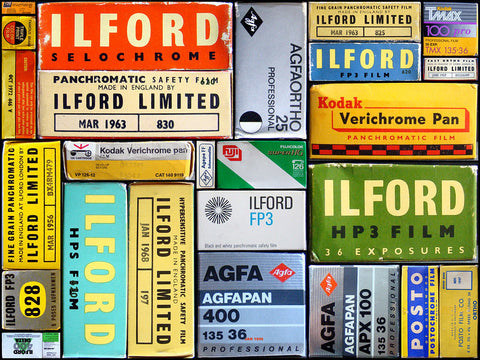
Film Rolls: A Complete Guide to 135, 120, and 110 Formats
Film rolls are the heart of traditional photography. 🎞️ Each format (135, 120, 110), every brand, and every ISO tells a unique story. This comprehensive guide will help you choose the right film, understand its specific characteristics, and fully leverage its qualities for your creative projects. Discover how to combine film rolls with your SLR cameras and compact cameras to achieve a professional and artistic look.
- Formats: 135 (35mm), 120 (medium format), 110 (compact, rare/expired)
- Classic and alternative brands: Kodak, Fuji, Ilford, ORWO, Agfa
- Black & White and Color films for all uses
- Understand ISO, exposure, and rendering to improve with your film rolls
Film formats: choosing according to your needs
The most common format for film rolls, versatile and affordable. Ideal for beginners and creative projects. Compatible with most point-and-shoot and 35mm SLRs.
For a finer rendition, portraits and studio projects. 120 film rolls are perfect for medium format cameras like Hasselblad, Mamiya, or Pentacon.
A rare format, almost extinct. 110 film rolls can only be found as old stock or collector's items.
🎞️ Black & White Film
Versatile ISO 400, soft grain, classic look highly appreciated by beginners and professionals using 135 or 120 film rolls.
A classic, strong contrast, excellent for reportage and street photography with your 135mm film rolls.
Historic German films, specific grain, authentic vintage look. Ideal for artistic projects on 120mm.
🌈 Color Film
Soft rendition, warm colors, ideal for portraits and lifestyle. Perfect for 135mm film rolls.
Versatile, saturated, excellent green and red rendition. Very suitable for travel and all 135 and 120 formats.
Budget-friendly, natural colors, excellent for getting started in color with your film rolls.


📸 Choosing your camera for each film type
Compact or 35mm SLR: versatile and easy to find. Discover our collections: Analog SLRs | Point & Shoot | Rangefinder
Medium format cameras: Hasselblad, Mamiya, Pentacon. Ideal for portraits and studio with your 120 film rolls.
Rare cameras, collector's items only. Be aware of the condition of expired film.
FAQ – Film Rolls
ISO 400 is the best compromise. Black & White: Ilford HP5, Kodak Tri-X, ORWO. Color: Kodak Portra, Fuji Superia, Agfa Vista. All these formats are among the recommended film rolls for beginners. Learn more on Lomography.
A compact format that has almost disappeared, only available expired or as a collector's item.
Do series, compare your settings, and master one film before switching to another.
Want to start analog photography?
Discover our selection of cameras and films, and start your adventure today.
Quick Glossary
- ISO: film sensitivity, higher ISO means more visible grain.
- Aperture: lens diaphragm (larger, shallower depth of field). Shutter speed: exposure duration (slower, more blur possible).
- 135 / 35mm: standard, versatile format.
- 120: medium format, fine and qualitative rendition.
- 110: mini format, rare / expired.
- Brands: Kodak, Fuji, Ilford, ORWO, Agfa, etc.
To explore all available films and those powered by photographers, consult Lomography – film rolls. You'll find a complete selection of 135, 120, and 110 formats, including rare references.